18k Yellow Gold Engagement Ring Pros and Cons for Daily Wear
An engagement ring has to do more than look beautiful in a proposal photo. It needs to feel comfortable on a grocery run, survive a day at your desk, and still make sense with the way you dress. That’s why the choice of metal matters—and why an 18k yellow gold engagement ring deserves a closer look.
18k yellow gold has a rich, warm color and a higher gold content than 14k gold. Those qualities make it appealing, but they also affect how the ring wears over time. Before choosing it, consider your routine, preferred setting, gemstone, and how often you’re willing to have the ring checked or polished.
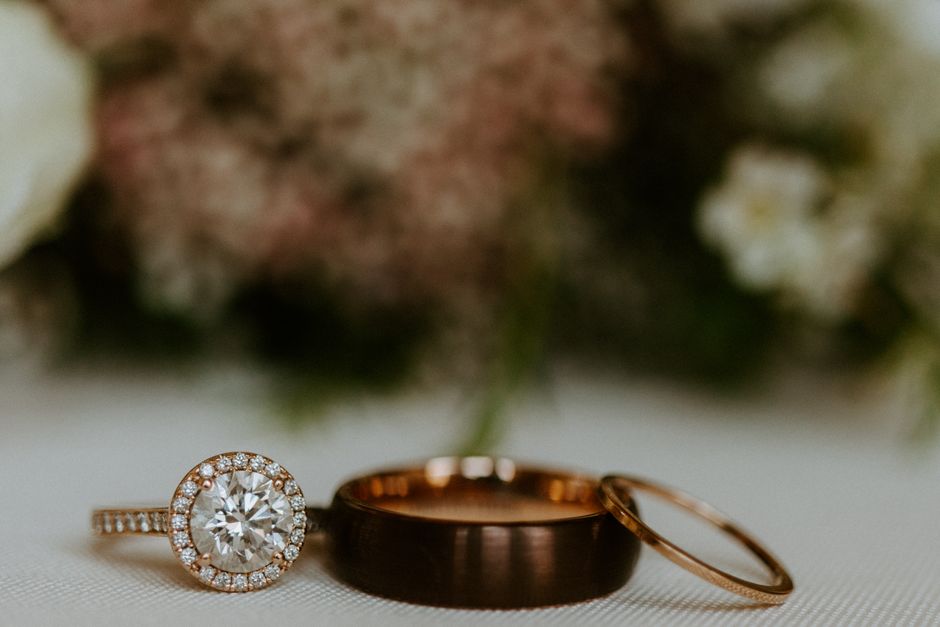
And a small reminder from someone who has seen plenty of rings meet their first wool sweater: the setting matters as much as the metal. A ring can be beautifully made and still catch on knits if its prongs or edges sit too high.
What Does 18k Yellow Gold Mean?
“18k” describes the proportion of pure gold in the alloy. Pure gold is 24 karats, so 18k gold contains 18 parts gold out of 24, or 75%. The remaining 25% is made up of other metals, which are added to give the gold more strength and influence its color.
Yellow gold is blended to keep its warm appearance. Exact alloy recipes vary by maker, so if you have a metal sensitivity, ask the jeweler what is in the mix rather than relying on the karat stamp alone.
Metal Gold content What it can mean for daily wear 18k yellow gold 75% Richer gold color; generally softer than lower-karat gold alloys 14k yellow gold 58.3% Often a practical balance of color, cost, and resistance to wear 24k gold Nearly 100% Very soft for a ring intended for everyday useThese are useful general comparisons, not a guarantee of how a particular ring will perform. Band thickness, construction, setting design, gemstone choice, and your habits all affect gold ring durability.
The Pros of an 18k Yellow Gold Engagement Ring
1. A saturated, warm color
The most obvious draw is the color. Because 18k gold has a higher gold content than 14k, its yellow tone is often deeper and more saturated. It can look especially striking against a range of skin tones, but there are no rules here: try the metal on and see what feels like you.
Yellow gold also creates a warm frame around a center stone. It can bring out the softer tones in a champagne diamond, complement a green sapphire, or create a lively contrast with a vivid blue stone.
2. It can feel personal rather than conventional
Breaking engagement ring traditions doesn’t have to mean choosing something deliberately unusual. It can simply mean selecting the metal and design you genuinely want, rather than treating a white diamond in a white-metal solitaire as the default.
An 18k yellow gold engagement ring can feel familiar Click here to find out more without looking generic. Pair it with a sculptural band, an off-center stone, or a colored gemstone, and the result can reflect your style instead of an inherited checklist.
3. It suits a wide range of settings
Yellow gold works with clean modern silhouettes as well as vintage-inspired details. A bezel setting, for example, gives a stone a smooth metal border and can be a read more practical choice for someone who wants fewer exposed edges. A low-profile setting sits closer to the finger than many tall designs, which may make it less likely to snag—though the details still matter.
For a contemporary look, consider an east-west oval, a geometric step-cut stone, or a simple band with an asymmetrical accent. For a softer, more decorative feel, look at milgrain edges, engraving, or a cluster of smaller stones.
4. It offers a good canvas for colored gemstones
A colored gemstone can turn a ring into a small piece of personal storytelling. Maybe a green tourmaline recalls a favorite landscape, a sapphire echoes a family heirloom, or a birthstone marks a meaningful date. Yellow gold’s warmth can make those colors feel expressive rather than formal.
Gemstone choice is also a practical decision. Some stones are better suited to frequent wear than others, and the setting needs to protect the specific stone you choose. Ask the jeweler how the gem handles knocks, heat, cleaning, and resizing—not just how it looks under studio lights.
5. It can be customized around the wearer
Bespoke design gives you room to adjust details that affect both appearance and comfort: band width, ring height, stone orientation, prong shape, and the way an engagement ring sits beside a wedding band. You might bring an inspiration image from a Pinterest board, then work with a jeweler to translate the mood into a ring that fits your hand and daily habits.
Brands and retailers such as Lily Arkwright, Modern Gents, and Bespoke Bride can be useful starting points for exploring different styles, price points, or design ideas. Compare the actual specifications and services on offer, and ask direct questions about materials, customization, repairs, and sourcing. A polished product page isn’t a substitute for clear answers.
The Cons to Consider Before Wearing It Every Day
1. 18k gold is relatively soft
Gold is a soft metal, and an 18k alloy contains more gold than 14k. That generally makes 18k yellow gold more prone to scratching, bending, and surface wear than a harder, lower-karat alloy. That doesn’t mean it’s too delicate for daily wear, but it does mean you should choose a thoughtfully made ring and expect signs of use over time.
Fine surface scratches are normal on a ring worn every day. They can soften into a patina, which some people love. Others prefer a bright finish and may want occasional professional polishing. Polishing removes a small amount of metal, so it isn’t something to do every time you notice a mark.
2. Delicate construction can be a weak point
A thin band may look elegant, but an especially narrow or lightweight shank can be more vulnerable to wear and distortion. Likewise, tall prongs can catch on clothing or take a hit during everyday tasks. There isn’t one ideal ring thickness for everyone: finger size, stone weight, design, and comfort all matter.
When trying on rings, move your hand naturally. Notice how the band feels between your fingers, whether it spins, and whether the setting catches on a knit sleeve. Ask what parts of the ring will need the most attention and whether the design can be reinforced without changing its look.
3. The initial price can be higher
Because 18k gold contains more pure gold than 14k, an otherwise similar ring may cost more. The total price also depends on the ring’s weight, gemstone, design, and workmanship. If budget is part of the conversation, bring it up early. It doesn’t spoil the romance; it helps the jeweler recommend options you can feel good about long after the proposal.
4. It needs sensible care
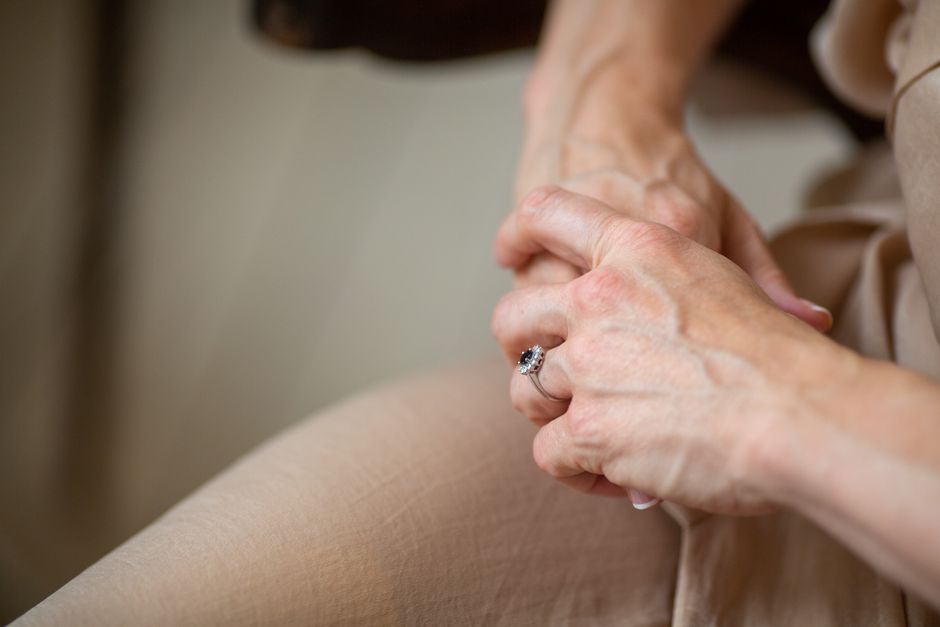
Daily wear doesn’t mean the ring should stay on for every task. Remove it for heavy lifting, gardening, swimming, cleaning with harsh products, or activities where it could be struck or lost. Lotions and soap can build up around stones and settings, making a ring look dull.
Have the setting checked periodically by a qualified jeweler, especially if the ring has prongs. The right inspection schedule depends on the design and how you wear it. If a stone feels loose, a prong looks bent, or the band changes shape, stop wearing the ring until it has been examined.
How to Make 18k Gold Work for Your Routine
- Choose a practical profile. A low-set design or bezel may suit an active routine better than a high setting with exposed prongs.
- Ask about band construction. Discuss thickness and shape with the maker. A band should feel comfortable, not just look delicate in a photo.
- Match the setting to the stone. Different gems have different care needs. Ask what protection the chosen stone requires.
- Try it with a wedding band. Check whether the rings sit comfortably together or leave a gap you may not want.
- Get care instructions in writing. Confirm how to clean the ring, what to avoid, and where to go for inspections or repairs.
- Ask how materials are sourced. A responsible jeweler should be willing to explain what they know about the gold and gemstones, including any limits in their supply-chain information.
Modern Settings, Personal Stories
There’s no requirement for an engagement ring to follow one silhouette. A toi-et-moi design can place two stones together to represent two people. A signet-inspired ring can feel architectural. A cluster setting can make smaller gems the focus instead of a single center stone. These designs can all work in yellow gold, but each brings different questions about fit, protection, and maintenance.
Colored gemstones add another layer of meaning without needing a formal explanation. Choose one because it reminds you of a place, person, season, or shared joke—or simply because you like looking at it. The story belongs to you; it doesn’t need to meet anyone else’s tradition.
For custom work, gather references before your consultation. Pinterest boards for ring inspiration can help you notice patterns in the shapes, colors, and details you’re drawn to. Save examples of what you like and what you don’t, then bring those notes to the jeweler. Inspiration is a starting point, not a promise that a ring can be copied exactly.
Questions to Ask Before You Buy
- What metals are used in this 18k yellow gold alloy?
- How is the ring built to support the center stone?
- Could the setting snag on clothing or sit too high for my routine?
- Can I try a similar band width and shape to check comfort?
- What care, inspection, repair, and resizing services are available?
- What can you tell me about the sourcing of the gold and gemstone?
- How will this ring sit beside the wedding band I might choose?
So, Is 18k Yellow Gold Right for Daily Wear?
An 18k yellow gold engagement ring can be a lovely daily choice if you value its rich color, are comfortable with normal wear, and select a setting suited to your routine. Its higher gold content is also its main trade-off: the metal is generally softer than 14k gold, so design quality and sensible care matter.
If maximum resistance to everyday scratches is your top priority, compare 14k yellow gold as well. If the warmth and depth of 18k are what you love, don’t dismiss it—but choose a sturdy, comfortable design and ask candid questions about maintenance. The best ring isn’t the one that never changes. It’s the one you’re happy to wear, care for, and see becoming part of your life.
Planning the rest of the celebration, too? An invitations promo can make it easier to share the news and keep details organized; a Google Sheet for RSVPs can help you track replies without losing them in a pile of messages.