Bezel vs. Prong Setting: Which Is Safer for a Gemstone Ring?
“Safer” sounds like it should have a simple answer: choose the setting that’s least likely to lose a stone. But a ring’s security depends on more than whether metal surrounds the gem or holds it with little claws. The gemstone’s toughness, the quality of the setting, the wearer’s routine, and how well the ring fits all matter.
A prong setting can show off a gemstone beautifully and let in plenty of light. A bezel setting wraps a rim of metal around the stone’s edge, creating a more enclosed look. Neither is automatically right for every person or every gem. The better question is: which design offers the right balance of stone security, comfort, style, and maintenance for the way you’ll wear the ring?
First, what does “safe” mean for a ring?
When people ask whether a setting is safe, they’re usually thinking about the stone falling out. That’s a real concern, but it isn’t the only kind of risk. A setting can also snag clothing, collect grime, feel uncomfortable between the fingers, or leave a gemstone more exposed to knocks.
It helps to separate two ideas: how securely the setting holds the stone, and how well the design protects the stone from everyday contact. A well-made prong setting can hold a gemstone securely, while a bezel can provide extra coverage around its edge. But no setting can make a delicate gemstone indestructible, and even a sturdy ring needs occasional inspection.
How a prong setting works
Prongs are small metal claws that grip the gemstone, often at several points around its edge. Four- and six-prong designs are common, though the exact number and shape vary with the stone and the design. Because much of the gemstone remains visible, prongs are a popular choice for people who want the color, outline, and chunky engagement ring band facets to take center stage.
Why people choose prongs
- They reveal more of the gemstone. With less metal around the perimeter, the stone can look more open and prominent.
- They suit many silhouettes. Round, oval, pear, emerald-cut, and other shapes can all work with carefully designed prongs.
- They can feel visually light. If you prefer a minimal look, a delicate prong setting may keep the focus on the gemstone.
Where prongs ask for attention
Prongs are exposed points of contact. They can catch on knits, lace, hair, or pockets—yes, I keep a running mental list of settings that have tried to steal someone’s favorite sweater. A prong that becomes bent or worn may also stop holding the stone as securely as it should. Regular professional checks can help spot wear before it becomes a bigger problem.
That doesn’t mean a prong setting is fragile by default. It means the small parts doing the work should be well made, suited to the gemstone, and maintained. If the ring will be worn every day, ask how the prongs are shaped, whether they are protected by the overall design, and how often the jeweler recommends checking them.
How a bezel setting works
A bezel setting uses a strip or rim of metal that surrounds the gemstone’s edge. A full bezel circles the stone; a partial bezel leaves sections of the edge open. The metal frames the gem and can create a clean, modern outline—one reason bezels feel so at home in contemporary ring design.
Why people choose bezels
- They cover more of the stone’s edge. That can help shield the perimeter from bumps and reduce exposed points that might snag.
- They have a smooth profile. Many wearers find a bezel easier to live with around sweaters, gloves, and busy hands.
- They make a strong style statement. A bezel can look sleek, sculptural, vintage-inspired, or unexpectedly bold, depending on the band and stone.
What to consider with a bezel
A bezel does not make a ring invulnerable. The stone still needs to be properly fitted, and the metal rim can be damaged if the ring takes a hard impact. A bezel may also cover more of the gemstone’s edge and change how much of its outline you see. Depending on the design, it can make the stone appear more defined or more integrated into the ring.
Because the metal sits close to the gem, cleaning and repair may call for a jeweler’s guidance. Ask how the specific gemstone is set and what care is recommended rather than assuming every bezel is cleaned or maintained the same way.
Bezel vs. prong setting: a practical comparison
Consideration Prong setting Bezel setting Stone exposure More of the gemstone is usually visible Metal surrounds all or part of the edge Snagging Protruding prongs may catch on fabric Smooth edges often reduce snag points Edge protection More of the perimeter may be exposed The bezel can cover and shield the perimeter Visual effect Open, lifted, and often traditional or delicate Framed, streamlined, and often modern Maintenance focus Check prongs for looseness, wear, or damage Check the bezel and setting for damage or a poor fitLet the gemstone help make the decision
Hardness is useful information, but it is not the whole story. A gem can resist scratches and still be vulnerable to a sharp blow or have a natural structure that makes it easier to chip or split. The cut, shape, inclusions, and setting all influence how a particular stone should be protected.
For example, a pointed tip can benefit from thoughtful protection, while a stone with a more vulnerable edge may call for a setting that shields it. The right answer depends on the actual gemstone—not just a general rule about a gem category. Ask the jeweler to explain any durability concerns in plain language and to recommend a setting based on the stone you’re considering.
This conversation matters especially if you’re choosing a colored gemstone. Sapphires, emeralds, tourmalines, and other gems each have different characteristics, and stones of the same type can vary. Colored gemstones can also carry personal meaning: a favorite shade, a family connection, or a place you both love. The setting should support that story without asking the gem to take more wear than it can handle.
Choose for your life, not just the photo
Think about what your hands do on an ordinary Tuesday. Do you work with your hands, exercise while wearing jewelry, care for young children, or spend the day in knitwear? Do you prefer a ring that feels barely there, or do you like a more substantial piece? These details aren’t unromantic. They’re how you design a ring you’ll genuinely want to wear.
Fit matters, too. A ring that spins constantly can be frustrating, and a setting that presses against a neighboring finger may feel wrong even if it looks perfect in a close-up. Try the ring on and notice how the band feels between your fingers. Check whether the setting catches when you move your hand, and whether the profile feels comfortable against your palm.

Breaking tradition can lead to a better ring
There’s no rule that an engagement ring has to follow one silhouette, one stone choice, or one setting style. Modern settings include low-profile bezels, east-west stones, mixed metals, asymmetric designs, and combinations of prongs and protective details. A ring can be meaningful without looking like anyone else’s idea of a “proper” engagement ring.
That freedom also makes customization worth exploring. Bespoke Bride is a helpful source of wedding inspiration for couples shaping a celebration around their own taste, and the same spirit can apply to ring design: start with what feels personal, then work through the practical details with a jeweler. Lily Arkwright and Modern Gents are among the names shoppers may come across while comparing ring styles and options. As with any purchase, look closely at the specific materials, design details, care guidance, and sourcing information for the ring you’re considering.
For colored gemstones, customization can make the story even more personal. You might choose a stone in a meaningful color, pair it with a band inspired by a family heirloom, or select a setting that suits the way you move through the day. Ask what can be changed—and what should stay as designed for the gemstone’s security.
Questions to ask before you decide
- Is this setting appropriate for this specific gemstone? Ask about the stone’s durability, shape, and any areas that need extra protection.
- How is the stone held in place? Have the jeweler explain the design without leaning on vague assurances.
- What maintenance will it need? Find out how often to have the setting inspected and what signs of wear to watch for.
- How does it feel on my hand? Notice the height, weight, band width, and comfort between your fingers.
- What is the sourcing story? Ask where the gemstone and metals come from and what the seller can document. If a brand is unclear about sourcing, that’s worth pressing on.
Use inspiration boards wisely
Pinterest boards for ring inspiration can help you spot patterns in what you like: low settings, bold bezels, delicate prongs, colored stones, or unusual band shapes. Save a mix of close-ups and full-hand photos so you can compare the details with the overall look. Then bring those references to a jeweler and discuss what will work for your chosen gemstone and lifestyle. A picture is a starting point, not a durability guarantee.
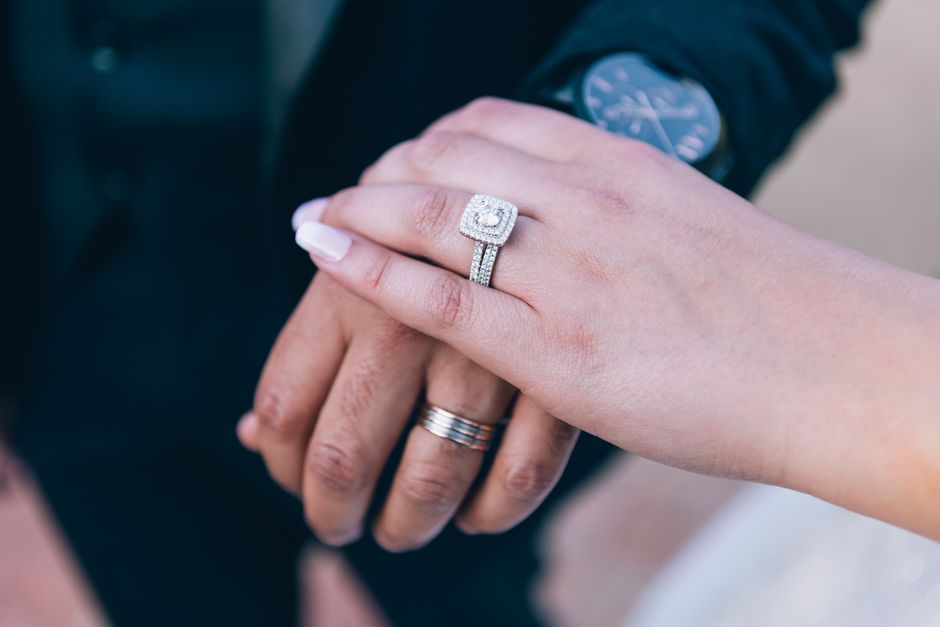
The same planning mindset can make wedding logistics easier. If you’re sharing an invitations promo with guests, a Google Sheet for RSVPs can help you keep responses organized alongside your invitation details. It’s a small practical tool that leaves more room for the personal parts of planning—like choosing a ring that feels like yours.
So, which setting is safer?
If your main concern is reducing exposed edges and snag points, a well-made bezel setting often offers more everyday protection around the gemstone’s perimeter. If you want more of the stone visible and love the open look, a well-made prong setting can still provide reliable stone security—provided the design suits the gem and the prongs are checked and maintained.
Neither option wins for every ring. The safest choice is the one designed for your particular gemstone, made with care, fitted comfortably, and checked over time. Ask clear questions, take your daily habits seriously, and choose the silhouette that feels right on your hand. A ring can honor tradition, bend it, or leave it behind entirely—and still hold a story worth wearing.