How Do Buyers Check if the Warranty Card Date Fits the Production Window?
When buying a luxury watch, one of the most frequent questions revolves around authenticity and provenance. The warranty card date often serves as a cornerstone of trust, but it must be _accurate_ and consistent with the watch’s known production window. In this post, we’ll break down the buyer’s approach to making a reliable production window check leveraging serial number cross-references, highlighting why the warranty card stands as the main value driver—and why some traditional indicators like boxes https://bizzmarkblog.com/how-do-buyers-check-if-the-warranty-card-date-fits-the-production-window/ and “full set” buzzwords deserve a closer look.
Understanding the Warranty Card Date & Its Role
First, let’s clarify what the warranty card date actually represents. Typically, this date reflects the watch’s purchase date from the authorized dealer, which is close to—but not always exactly—the production date. Buyers frequently expect the warranty card date to align naturally with the watch’s production period.
- Warranty Card Date: The official date stamped on the warranty card, often the purchase or activation date.
- Production Window: The approximate timeframe during which a specific watch reference or model was manufactured.
Matching these two dates isn’t just pedantry; it’s critical for value assurance and spotting red flags.
Serial Number Cross-Reference: The First Line of Verification
The serial number acts as a digital fingerprint, uniquely identifying the watch. Buyers typically verify that the serial number on the watch case matches the serial printed on the warranty card. A mismatch here is an immediate cause for suspicion.
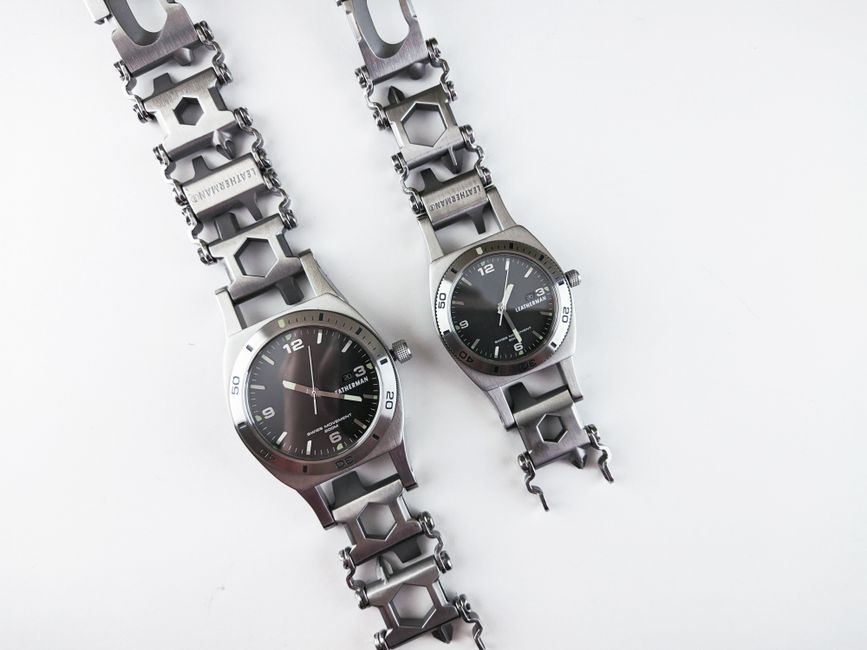
Steps for Serial Number Verification:
- Inspect the watch case serial number: Located on the case back or between the lugs.
- Examine the warranty card serial number: Usually on the same card as model reference and date information.
- Confirm matching serials: If they’re different, it signals either a swapped card, a replaced movement, or worse—potential fraud.
Remember: A matching serial number does not guarantee 100% authenticity or correct production date, but a mismatch is an immediate red light.
Production Window Check: Confirming Date Consistency Against Reference History
With the serial and warranty card aligned, the next critical step is checking if the warranty card date fits the known production window for that specific reference. This is especially crucial for vintage and limited edition watches, where a model’s production may span only a few years.
Colloquially known as a “production window check,” this means:
- Consulting reputable databases or guides to identify the start and end of the production run for that reference.
- Comparing the warranty card date to see if it falls logically within that range.
- Flagging any warranty card date that predates start or postdates end of production.
Why This Matters
Imagine a Rolex Submariner 116610 produced between roughly 2010-2020. A warranty card dated 2024 for that exact reference could indicate an error, unauthorized replacement, or a possible counterfeit.
On the other hand, a valid warranty card dated 2011 for the same reference would reassure the buyer that the warranty card wasn’t created after the fact.

Full Set Definition vs. Real Pricing Impact
Here’s a pet peeve I’m eager to retire from watch forums everywhere: “full set” as a pass-fail. Just having the box, manual, and papers does not guarantee premium pricing or authenticity. What buyers should really care about is whether the warranty card date and serial number align properly.
Additional reading Item Common Seller Focus Real Buyer Value Impact Box Over-valued as “full set” must-have Minor impact—box condition and model rarity may add some value, but generally secondary Warranty Card Sometimes overlooked or substituted with generic cards Primary value driver—proves retail date and authenticates serial Manual, Hangtags Often included as signs of a complete package Minimal to moderate effect depending on rarity but subordinate to warranty cardIn other words: Don’t obsess over the box, but obsess over warranty card and date consistency.
Receipts and Service Records as Secondary Proof
Receipts and service records can bolster the provenance story but don’t have the same primary status as the warranty card and serial number. They can help confirm ownership history and servicing consistency. However, beware:
- Receipts might show date of purchase or service but can be forged or incomplete.
- Service records might not align if a watch changed ownership multiple times.
- Neither guarantees that the warranty card date matches manufacturing production.
But taken together, serialized warranty cards plus consistent receipts or service documents paint the best picture.
Common Buyer Pitfalls and Myths
Myth #1: "Box and Papers" = Authenticity and Premium Price
False. As noted, sellers love touting “full set” but often ignore critical warranty card validation. A box is replaceable and doesn’t confirm serial or date.
Myth #2: Warranty Card Date Is When The Watch Was Made
Not exactly. Warranty card date is usually when the watch was sold, not the moment it left the factory. Production might be months prior.
Myth #3: Any Warranty Card Is Good Enough
No. Buyers should always verify serial number consistency and that the card date corresponds reasonably to the production timeline.
Summary: What Should Buyers Do?
- Verify that the watch serial matches the warranty card serial. Mismatched numbers = immediate risk.
- Research the watch’s production window using trusted databases, collector guides, or brand serial charts.
- Compare the warranty card date against the reference’s production window. Expect the date to fall within or very shortly after the window.
- Value warranty card authenticity above boxes and manuals plainly.
- Complement this with receipts or service records if available—but treat them as secondary proof.
- Always ask: “What would a buyer actually pay for this, knowing this isn’t just a marketing line but verifiable data?”
Closing Thoughts
When it comes to checking if a watch’s warranty card date fits its production window, rigorous serial number cross-referencing and date consistency are invaluable. Too often, buyers and even sellers put undue weight on superficial “full set” claims or boxes. The core of value and trust lies in confirming serial and date alignment that fits the watch’s production history.
Armed with the right knowledge and reference tools, buyers can confidently discern fair value, avoid scams, and better understand the true provenance of their next timepiece purchase.