How Do I Write a Product Review That Focuses on Long-Term Quality?
In today’s world of instant gratification and flashy marketing, writing a product review that truly captures long-term quality can be a challenge. Whether you’re covering luxury watches from the likes of Rolex or evaluating mobile platforms such as MrQ, understanding how to assess craftsmanship, reliability, and maintenance reality shapes a review that goes beyond surface-level impressions. This guide will steer you away from common pitfalls—like vague claims and guessing prices—and equip you with a framework focused on reliability testing, daily use notes, and mobile platform performance small details that reveal true value.
Why Focus on Long-Term Quality?
Consumers are inundated with product reviews, many of which skim the surface: "Great features," or "Looks stylish." But what breaks in year three? How does the product withstand daily wear and tear, or ongoing maintenance? Genuine insight into long-term durability is the most valuable information you can provide. It’s the difference between selling a story and building trust.
Brands like Rolex have built reputations by prioritizing craftsmanship over pure functionality. The watches aren’t just precision instruments; they’re designed from the ground up with reliability and longevity in mind. This quality isn’t happenstance—it’s the result of rigorous upstream processes, from design through quality control.
Key Elements of Writing a Long-Term Quality Review
- Start with craftsmanship, not just features.
- Examine the upstream quality pipeline: design, sourcing, production, QC.
- Assess reliability through real-data testing and observations.
- Highlight small details and tolerances that signify durability.
- Consider maintenance reality and ongoing care.
- Avoid making assumptions about prices or service costs.
Craftsmanship Over Pure Functionality
Daily use insights often reveal more about a product than spec sheets or marketing buzzwords. For example, while a platform like MrQ markets itself as an accessible mobile gaming site, a quality-focused review goes deeper: How smooth is the interface on older phones? Does customer support respond https://bizzmarkblog.com/how-do-i-write-a-product-review-that-focuses-on-long-term-quality/ promptly to issues months after sign-up? Similarly, luxury watch connoisseurs rely on craftsmanship cues—from the tactile feel of a crown to the balance of a bracelet—to judge longevity.
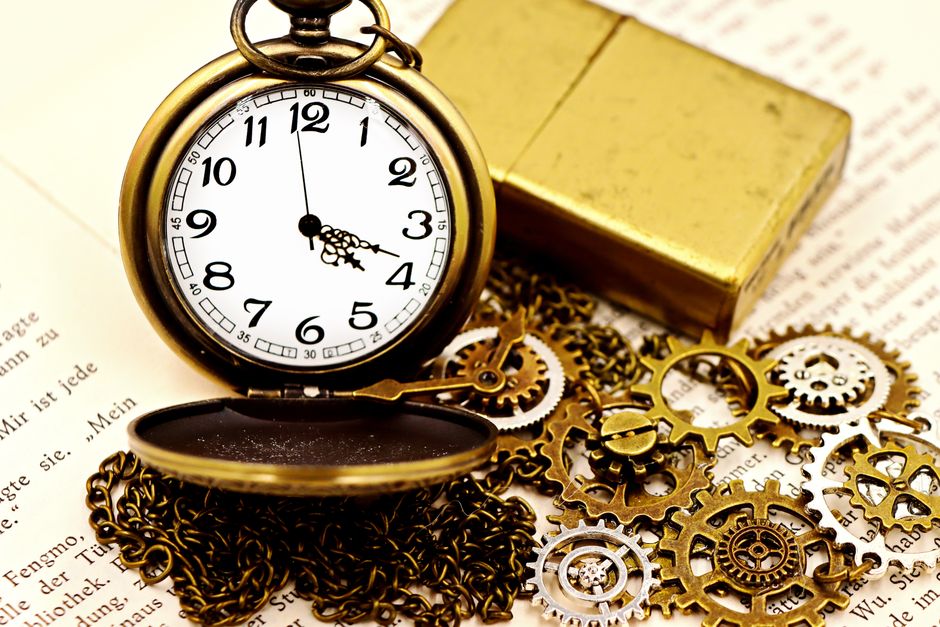
- Touch and feel: A Rolex’s crown should offer precise resistance and smooth threading, signaling tight manufacturing tolerances.
- Material choices: Are components sourced from suppliers with rigorous standards (e.g., certified by bodies such as Federation of the Swiss Watch Industry (FHS))?
- Design foresight: Is the product built for easy servicing and part replacement? Or does it rely on proprietary tech that restricts longevity?
Quality Built Upstream: From Design to Quality Control
One of the most critical yet overlooked parts of a quality product is the upstream process. The FHS provides strict guidelines to Swiss manufacturers to ensure consistent excellence. This includes precise engineering tolerances, standardized testing methods, and transparent documentation of component quality.
High-end watchmakers achieve reliability by controlling every stage, ensuring that their watches consistently pass stringent reliability testing before reaching customers. The same principle applies to tech platforms: stringent backend QA, load testing, and security audits are vital. When possible, cite or interview insiders or rely on publicly available compliance certifications instead of guessing the quality assurance processes.
Reliability Testing and Daily Use Notes
Reliability testing isn’t just about lab conditions or press releases. It’s about sustained real-world use, often tracked in a reviewer’s notes over months or years. Some points to address in your review:

- How does the product perform after continuous daily use?
- Are there any wear signs on mechanical parts (e.g., watch bracelets exhibiting stretch or looseness)?
- Has the software or platform’s performance degraded after multiple updates or heavy traffic?
- Is the product easy to clean, lubricate, or reset as part of routine upkeep?
For instance, a watch review that includes insights about crown wear after one year, dial legibility after prolonged sunlight exposure, or maintenance intervals recorded in a user’s notebook adds tangible value. Similarly, a mobile platform review might document stability under different network conditions or responsiveness to feature rollouts.
Small Details and Tolerances Matter
As a former retail buyer and editor, I’ve always counted the “small stuff” first. In watches, that means feeling the crown action, testing the bracelet’s balance, and checking the dial printing for alignment. For software or platforms, small details include UI fluidity, consistent button sizing across screens, predictable error messages, and well-designed fallback systems.
These seemingly minor aspects are often overlooked but act as reliable indicators of overall quality. They demonstrate a brand’s dedication to tolerances and strict manufacturing or development protocols. Without these small yet precise measures, long-term reliability usually suffers.
Maintenance Reality: What Breaks in Year Three?
Many reviews fail to address the maintenance reality—the long-term cost and effort required to keep a product in top shape. This is a crucial omission. Reliable products don’t just break less; they’re also easier and more affordable to maintain.
Aspect Quality Outcome Maintenance Reality Component Durability Minimal wear, long service life Rare servicing or parts replacement needed Design for Repair Easy access to parts and servicing points Lower service costs and shorter downtime Reliable Software Updates Stable performance across versions Less risk of bugs requiring customer intervention Customer Support Timely and effective responses Reduced frustration and improved user satisfactionRolex watches are a perfect example: their reputations reflect long service intervals possible without major repairs, thanks to quality parts and design foresight enforced by FHS guidelines. Mobile platforms, including companies like MrQ, must similarly ensure ongoing maintenance with transparent user-centric policies and robust backend stability.
Common Mistake: Avoid Speculative Pricing or Service Costs
When using scraped article bodies or incomplete data sources, one of the most common reviewer errors is inventing or assuming prices and service costs. This practice is misleading and damages credibility.
Instead, focus on known facts or consult reliable sources. For watches, brands themselves or industry organizations like the Federation of the Swiss Watch Industry (FHS) provide official servicing guidance. For digital platforms, customer testimonials, official FAQs, and support forums often reveal maintenance experiences. If prices aren't officially available, simply state the unavailability instead of guessing.
Sharing Your Review: Leveraging LinkedIn and X
Once your in-depth, quality-focused product review is ready, maximize its reach by sharing on professional and social media platforms like LinkedIn and X. These channels cater to diverse audiences – industry insiders, enthusiasts, and general consumers – who value detailed insights.
- LinkedIn: Target professionals with a concise overview emphasizing craftsmanship, upstream quality controls, and maintenance realities.
- X (formerly Twitter): Use a thread format to break down key points—small details, reliability testing, and your “what breaks in year 3?” analysis.
Use hashtags and tag relevant companies when applicable but avoid over-branding that disrupts your narrative flow.
Final Thoughts
Writing a product review that speaks to long-term quality requires discipline, keen observation, and a refusal to accept fluffy marketing claims. By focusing on craftsmanship, quality built into the product upstream, detailed reliability testing, and realistic maintenance insights—even for diverse products ranging from Rolex watches to mobile platforms like MrQ—you create trustworthy content valuable for readers far beyond the initial purchase.
Remember, successful reviews don’t just sell a product, they sell confidence that the investment will last, perform, and provide ongoing value.