How to Reduce Swelling in Feet After Standing All Night
After a long night on your feet—whether at a wedding, corporate event, or night out—it’s common to wake up with tired, swollen feet. That uncomfortable puffiness, often called post event swelling, doesn’t just feel bad; it signals that gravity has been doing a number on your circulation, leading to fluid pooling in the feet and lower legs.
Having spent over a decade fitting heels and advising on foot health, I've seen firsthand how forefoot load, toe box compression, and calf muscle tightness all contribute to the agony of swollen feet. Here, I’ll walk you through why this happens and—more importantly—how to reduce swelling effectively. With simple tools like a tennis ball, a chilled water bottle, and trusted products like Joy Organics and their Joy Organics 1000mg CBD Cream, you can bounce back faster.
Why Do Feet Swell After Standing All Night?
Imagine this: you’ve spent hours in heels or standing shoes, shifting your weight more on the balls of your feet than the heels. Your toes are cramped in a narrow toe box, your calf muscles are tighter than usual, and your posture wobbles a bit as fatigue creeps in. When the night ends and you finally sit down or lie down, you notice your feet feel heavy and swollen. Let’s unpack the ‘why’ behind this.
Gravity Fluid Pooling and Posture Changes
Standing upright all night means gravity constantly pulls fluids down into your feet and legs. Because the muscles that usually pump this fluid back up—especially the calves—aren’t contracting efficiently when you’re fatigued or constrained by footwear, fluid pools in the lower limbs.
Posture changes exacerbate this. Leaning forward into your forefeet, for example, shifts weight onto the metatarsals (the long bones behind your toes). This not only increases forefoot load but also can cause metatarsal pain and swelling.
Forefoot Load & Metatarsal Pain in Heels
High heels are notorious culprits. They push your weight onto the balls of your feet, compressing bones, nerves, and soft tissue. This overload leads to inflammation and swelling, often felt as sharp or burning pain.
Toe Box Compression and Nerve Irritation
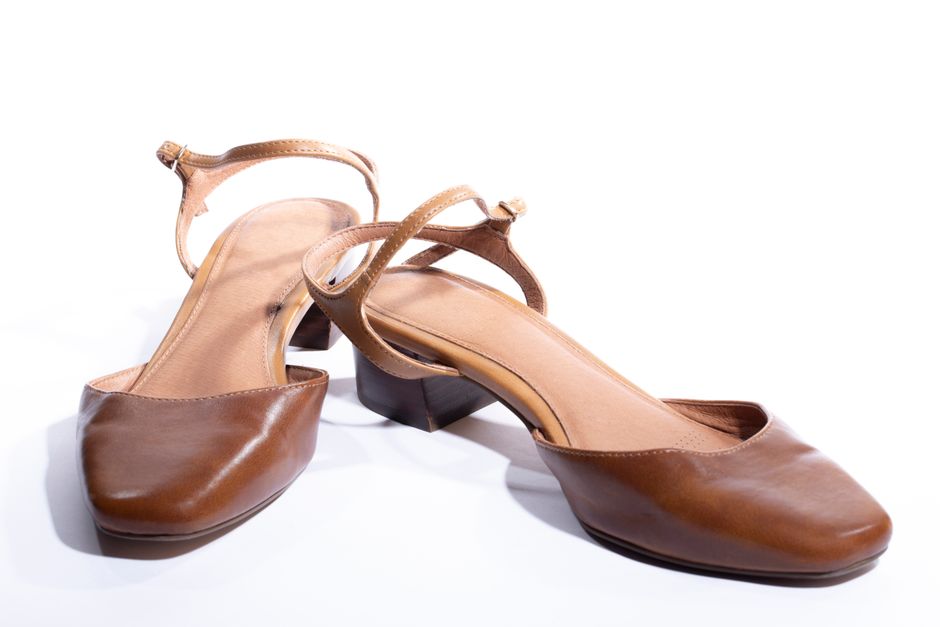
A narrow toe box can pinch nerves and soft tissues, causing irritation and cramping. This compression adds to swelling and discomfort, particularly after hours of wear when tissues have been compressed repeatedly.
Calf Shortening and Reduced Ankle Range of Motion
Wearing heels also shortens the calf muscles (gastrocnemius and soleus), which limits ankle range of motion. Tight calves mean less effective muscle pumping of fluids back toward the heart, worsening fluid pooling and swelling.
Lower Back Stiffness from Posture Fatigue
Standing for hours often alters your spinal alignment and muscle engagement, leading to lower back stiffness. While this doesn’t cause foot swelling directly, it can affect overall comfort and mobility, making foot swelling feel even more bothersome.
How to Reduce Swelling in Feet After Standing
The good news? Reducing swollen feet after prolonged standing is very achievable with a few targeted strategies. Here’s how to tackle it step-by-step.
1. Elevate Your Legs to Counter Gravity Fluid Pooling
Elevation is the cornerstone of reducing swelling. By raising your feet above the heart level, you help gravity draw fluid away from your lower limbs and back into circulation.
- How to do it: Lie back on a couch or bed and prop your legs on pillows or a cushioned surface, aiming for your feet to be at least 6 to 12 inches above heart level.
- Spend 15-20 minutes in this position, ideally multiple times a day after extended standing or activity.
2. Use a Tennis Ball to Roll Away Tension and Stimulate Blood Flow
Rolling the sole of your foot over a tennis ball is like giving your feet a mini massage. It loosens tight muscles, reduces metatarsal pain caused by forefoot load, and promotes circulation to flush out swelling.
- How to do it: Sit down and place a tennis ball under the arch of one foot.
- Gently roll the ball back and forth for 1-2 minutes, applying comfortable pressure.
- Focus on areas of tension or soreness, but avoid sharp pain.
3. Chill a Water Bottle to Cool and Soothe Inflammation
Cold therapy shrinks blood vessels (vasoconstriction), reducing swelling and numbing soreness. A chilled water bottle is a perfect, easily accessible tool Find more info for this purpose.
- How to do it: Freeze or chill a standard water bottle, then roll it along your feet for 5-10 minutes.
- Focus on swollen or painful spots, like the forefoot or around the ankle.
- Combining this with elevation can amplify swelling reduction.
4. Stretch and Loosen Calf Muscles, Especially the Soleus
Maintaining flexible calf muscles encourages optimal ankle range of motion and better fluid pumping action. The soleus muscle, often overlooked, plays a critical role here and must not be neglected.
- How to do it: Perform soleus stretches by standing facing a wall and placing one foot behind the other with both heels on the ground.
- Bend the back knee while keeping the heel down to feel a stretch lower in the calf.
- Hold for 20-30 seconds and repeat 2-3 times per leg.
5. Apply Joy Organics 1000mg CBD Cream for Natural Relief
Swelling from prolonged standing https://bizzmarkblog.com/how-many-times-should-i-repeat-the-calf-stretch-the-next-day/ is inflammation, and reducing that inflammation supports quicker recovery. Joy Organics 1000mg CBD Cream harnesses pure hemp-derived CBD combined with soothing botanicals to help calm inflamed tissues.
- Apply a small amount on swollen or painful areas such as the tops of feet, around metatarsals, and along the calves.
- Gently massage until fully absorbed, preferably after rolling with a tennis ball or cold therapy to maximize effects.
- This topical approach avoids the vagueness of wellness claims and offers a targeted, measurable dose you can trust.
6. Wear Properly Fitting Shoes With a Wide Toe Box
Prevention starts with footwear. Shoes that allow your toes room to wiggle minimize nerve compression and reduce swelling risk. If you must wear heels, try to limit continuous wear and opt for styles with a wider toe box.
- Consider cushioned insoles to distribute forefoot load more evenly.
- Rotate heel heights or shoe types during events to reduce muscle fatigue.
Summary Table: Quick Tips to Reduce Post Event Swelling
Action Purpose How-To Tools/Products Leg Elevation Counteract gravity fluid pooling Lie back, feet above heart Pillows, cushions Tennis Ball Massage Loosen foot muscles, boost circulation Roll sole over ball 1-2 min Tennis ball Cold Therapy Reduce inflammation and swelling Roll chilled water bottle on swelling Chilled water bottle Calf & Soleus Stretch Improve ankle range and pumping Soleus stretch on wall, 20-30s hold None CBD Cream Application Reduce inflammation, soothe pain Massage into swollen areas Joy Organics 1000mg CBD Cream Proper Footwear Prevent swelling and irritation Wear wide toe box, cushioned insoles Quality shoes, insolesFinal Thoughts
Foot swelling after standing all night isn’t just a nuisance—it’s a sign to give your lower limbs some TLC. By understanding the mechanics behind post event swelling—gravity fluid pooling, forefoot load, toe compression, calf tightness, and posture changes—you gain the insight needed to act effectively.
Elevate those legs, roll out tension with a tennis ball, soothe inflammation with a chilled water bottle, and nourish your skin and muscles with Joy Organics 1000mg CBD Cream. Plus, don’t overlook proper footwear and calf stretches to keep swelling at bay in the future.
Next time you’re planning a long event on your feet, prepare with these strategies in mind. Your feet—and your lower back—will thank you.