Is EngagementRings.net Connected to Hatton Garden Jewellers?
When searching for the perfect engagement ring, many shoppers come across various online portals boasting connections with prestigious jewellery hubs such as Hatton Garden. One such site, engagementrings.net, raises a common question: Is engagementrings.net connected to Hatton Garden Jewellers? In this post, we’ll unravel the truth by diving into the key points of jewellery authenticity, grading reports, the importance of the Four Cs, and how sizing influences the sparkle and overall visual appeal of your dream ring.
The Legend of Hatton Garden and Trust in Jewellery Buying
Hatton Garden is widely acknowledged as London’s legendary jewellery quarter, known globally for its concentration of trusted Hatton Garden Jewellers operating both physical stores and online presences. Buyers often look for firm assurances that vendors on the web have legitimate links to this hub — especially because genuine certificates and trusted customer service from established jewellers add immense peace of mind.
In the case of engagementrings.net, it’s important to understand what genuine connection means. While browsing the hatton garden directory or even the featured partners banner on some industry sites, engagementrings.net does not appear as an official Hatton Garden jeweller or authorised partner. They operate as an online marketplace for rings, linking to various suppliers across different origins, but without an official headquarters or direct store footprint in Hatton Garden itself.
Why Does Verification Matter? The Role of Grading Reports and Lab Authentications
Every shopper should demand diamond grading reports for any engagement ring, no matter where it is purchased. This is crucial to avoid the pitfalls of misleading claims, verify GIA report number especially around terms like "certified" when that certification isn't tied clearly to a reputable lab. The Gemological Institute of America (GIA) remains the gold standard for diamond grading worldwide.
Before discussing price, my advice—never forget—is to always ask for the laboratory report number. This unique ID lets you verify the diamond's grade on official databases, such as the GIA's laboratory report number verification tool. By inputting this number, you confirm authenticity and the attributes of cut, color, clarity, and carat weight match the stone you’re eyeing.
Engagementrings.net often advertises “certified” diamonds, but it’s rare to see explicit mentions of GIA or other trusted labs without clicking through multiple pages or contacting customer service. Transparency about the grading laboratory should never be hidden or buried in tiny footer links — a pet peeve of mine since vague wording damages buyer trust.
The Four Cs Trade-Offs: Why Cut Drives Sparkle More Than Carat
The Four Cs — Cut, Clarity, Color, and Carat — make or break your diamond’s beauty and price. One of the most important factors that buyers misunderstand is how these metrics interplay and why Cut is king.
- Cut: This controls light reflection, refraction, and brilliance. A well-cut diamond sparkles intensely, overshadowing a larger stone with a poor cut. The GIA’s diamond quality factor pages provide in-depth insights into how excellent or ideal cuts maximize fire and scintillation.
- Carat: Often mistaken as the sole measure of beauty, carat denotes weight, not visible size. A 1-carat diamond can appear smaller or larger depending on its cut proportions.
- Color: Ranges from colorless (D) to faint yellow or brown tints (lower grades). Color impacts how bright the diamond appears.
- Clarity: Denotes inclusions and blemishes. While important, slight imperfections are often invisible without magnification.
From my editor’s checklist, I always remind readers that opting for a slightly smaller carat but significantly better cut delivers better sparkle and overall ring beauty than chasing the biggest stone at all costs.
Carat vs Visible Size: What Measurements and Proportions Mean
A diamond’s carat weight doesn’t tell the whole story about its visible size. Factors like diameter and depth influence the face-up appearance. For example:

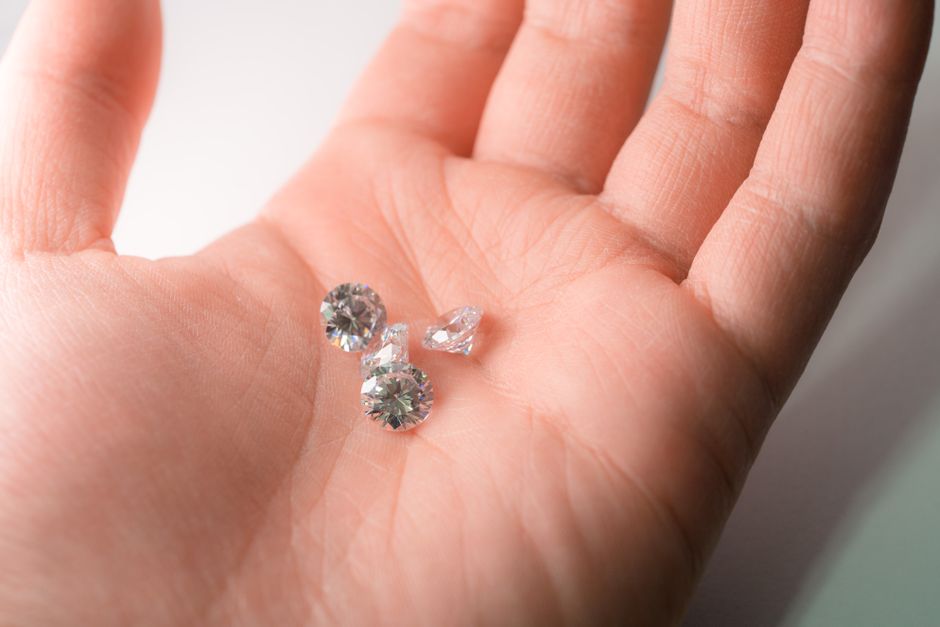
Therefore, a lower carat diamond with an excellent cut can look larger than a higher carat but poorly cut stone.
Shape and Perceived Size: Oval, Pear, Marquise vs Round
Diamond shape strongly affects perceived size. Fancy shapes like oval, pear, and marquise typically look larger than round diamonds of the same carat weight because they distribute their weight over a longer surface area, meaning a bigger face-up size and enhanced finger coverage.
- Oval: Elongated shape offers a slim, elegant look with excellent perceived size.
- Pear: Teardrop design creates a unique, flattering finger-lengthening effect.
- Marquise: Striking cut with pointed ends, often appearing larger than a round diamond of equal carat.
- Round: The traditional choice offering maximum brilliance but generally a smaller visible footprint compared to elongate shapes.
When shopping on platforms like engagementrings.net, knowing this helps consumers make informed decisions beyond just chasing carat weight, which can be misleading when comparing across shapes.
Putting It All Together: What Prospective Buyers Should Know
- Check Authenticity First: Always demand the diamond’s laboratory report number and verify it using GIA or other respected lab databases before discussing price.
- Demand Transparency: Avoid vendors that use vague wording like “certified” without specifying the grading authority.
- Focus on Cut: Choose cut quality carefully — this ultimately governs how much your diamond sparkles, more so than pure carat size.
- Consider Shape: Opt for fancy cuts if you want a bigger-looking diamond for less carat weight.
- Ask About Return and Resizing Policies: Never settle for ambiguous insurance on ring resizing or returns. Always check the policy details upfront (my notes app checklist emphasizes this!).
Is EngagementRings.net a Hatton Garden Jeweller?
After thorough examination, it's clear that engagementrings.net is not officially connected to Hatton Garden Jewellers. It acts more like a multi-supplier digital marketplace rather than a verified Hatton Garden store or featured directory partner. For buyers who prioritize the reassurance of buying within the Hatton Garden ecosystem, visiting actual Hatton Garden jewellers either in person or through their official listed websites remains more reliable.
Still, engagementrings.net can offer competitive prices and an accessible shopping experience. Just remember to use the tools available — like the GIA database verification — to vet diamond authenticity yourself, and never let carat alone dictate your choice.
Final Thoughts
Jewellery buying can feel overwhelming, especially online, but armed with the right knowledge, consumers become empowered. Don’t be dazzled solely by carat size or marketing claims. Instead, lean on trusted grading reports, understand the visual nuances of proportions and shapes, and never settle for unclear certifications. And when it comes to Hatton Garden, look for the hallmark signs of genuine connections — visible on official directories and verified featured partner banners.
For those who love gemology and tech, it's a bit like checking a match on the MRQ mobile casino app before playing: knowledge + carat vs size verification equal confidence and the best possible outcome.
Happy ring hunting!