What Are the Downsides of Heavy Leather Bags Like Saddleback?
A substantial leather bag can feel reassuring in a product photo: thick hide, sturdy hardware, and the promise of years of use. But heft has a way of feeling different after a commute, a crowded train ride, or a full day of carrying a laptop and water bottle. If you’re considering a bag in the style of Saddleback Leather, it’s worth looking past the rugged appeal and asking how it will work in your actual routine.
The main trade-off is straightforward: bags made with thick, durable leather can be heavy, stiff at first, and visually more rugged than some settings call for. Those qualities aren’t automatically flaws. They simply matter more when the bag is something you carry every day rather than admire on a shelf.
Before buying, I check the product page for specific leather-grade wording, look closely at stitching and edge finishing, and read the warranty page rather than relying on a slogan. I also ask how initials are applied. A beautiful monogram is less charming if it fades or wears away after a few months.
1. The weight when empty is only the beginning
The first downside many shoppers notice is the weight when empty. A thick-leather briefcase or backpack can already feel substantial before you add a laptop, charger, notebook, lunch, or anything else you carry. That extra weight doesn’t disappear once the bag is broken in.
For occasional use, a heavy bag may feel satisfying and secure. For daily carry, the experience adds up. A few extra pounds can be unwelcome on a long walk, in a station with stairs, or when you’re switching shoulders throughout the day. The bag’s weight also competes with the weight of its contents, so it’s useful to think about the total load—not just the empty product.
Compare listed weights across the sizes you’re considering. If a brand doesn’t publish a bag’s weight, that’s a good reason to ask before ordering. Product photos can show proportions, but they rarely communicate how a bag feels after eight hours.
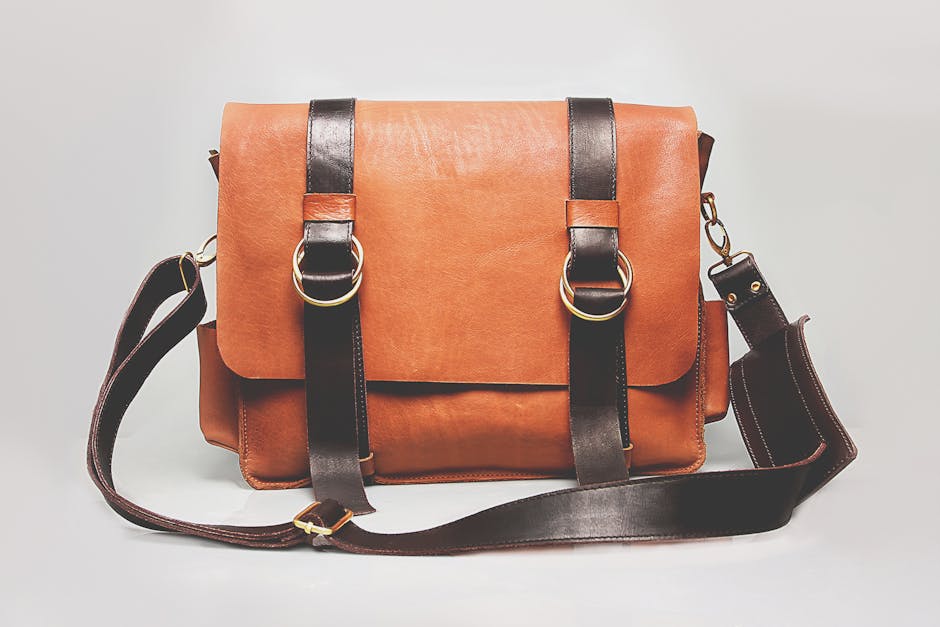
Consider your normal load
Make a quick list of what you carry on a typical weekday. A bag that feels reasonable with a notebook and phone may feel very different with a 16-inch laptop, a tablet, and a water bottle. Also consider how you carry it. A well-padded shoulder strap can make a load more comfortable, but it won’t make the bag itself lighter.

2. Thick leather can be stiff at first
“ Stiff at first” is a common reality with substantial leather. A new bag may resist opening, hold its shape firmly, or feel less cooperative than a softer, lighter alternative. A flap may not fall naturally into place, and reaching into a new pocket may take more effort than expected.
Leather can soften and develop character with use, but that process isn’t instant—and it doesn’t mean every bag becomes supple. Thick leather https://bizzmarkblog.com/does-von-baer-do-free-initials-and-how-many-letters/ may retain much of its structure. If you want a bag that slouches comfortably against your side from day one, a structured, heavy model might not be the best match.
Read product descriptions carefully for construction details, and look for photos that show the bag open and in use. I pay attention to how the closure works, how wide the opening is, and whether the interior pockets seem practical. Stiff leather is less of a nuisance when the design gives you easy access to what you need.
3. The workwear vibe may not fit every setting
Some heavy leather bags have a clear workwear vibe: rugged, utilitarian, and intentionally substantial. That look can be exactly right for someone who likes visible grain, bold hardware, and a bag that appears ready for rough use. It may be less suited to a conservative office, formal events, or a wardrobe built around lighter, cleaner lines.
This is a matter of style, not quality. A durable bag can be beautifully made and still feel too casual or visually imposing for its owner. Before choosing a color or silhouette, picture the bag with the clothes you actually wear—not just with a denim jacket in a brand photo.
Brands such as Saddleback Leather are often part of the conversation when shoppers look for a rugged, heavy-duty leather aesthetic. For a different balance of polish and practicality, compare options from Von Baer and Leatherology as well. Don’t assume that a brand name tells you how a particular bag will look or feel: check the dimensions, materials, finish, and product images for the specific model.
4. “Leather” isn’t a complete materials description
One of the most useful habits when shopping is distinguishing full-grain leather from vague labels. “Genuine leather,” “premium leather,” and “top quality” can sound reassuring, but they don’t tell you enough on their own about what part of the hide is used or how the material has been finished.
On product pages, look for clear wording about the leather grade and type. Full-grain leather refers to the outer layer of the hide with its natural grain, but it still doesn’t answer every practical question: How is the surface finished? Is it heavily corrected or coated? What variations should you expect? A transparent listing should give more detail than a string of general-purpose adjectives.
This is where the product page becomes a useful tool rather than a sales pitch. Check the materials section, care instructions, and close-up photographs. I also look at seams and edges: neat stitching, cleanly finished edges, and consistent construction tell you more than a dramatic claim about “heritage” or “ruggedness.” If the leather grade is unclear, ask customer service before you buy.
5. Heavy construction doesn’t automatically mean easy daily use
A sturdy bag can last a long time and still be inconvenient. Heavy leather may be less forgiving when you need to squeeze the bag under an airplane seat, carry it through a packed commute, or lift it in and out of a car. A rigid shape can also take up more room than a soft bag when it’s not full.
Look beyond material and consider the layout. Are the pockets sized for your devices? Can you reach your phone without unpacking the bag? Does it have a secure closure? If it’s a briefcase, will it stand upright? If it’s a backpack, are the straps comfortable and adjustable enough for your frame?
A bag’s usability depends on the whole design, not just the toughness of its leather. A simple test is to compare the capacity you need with the bag’s dimensions and the weight of the items you’ll carry. If you can visit a shop, try it on with your usual load. If you’re ordering online, check the return policy before the box arrives.
6. A warranty needs readable terms
Warranty language deserves a close read. “Built to last” is a product promise; a warranty is a set of terms. I look for a readable warranty page that explains what is covered, how long coverage lasts, what counts as normal more info wear, and what the owner must do to make a claim.
Pay particular attention to exclusions. Damage from misuse, neglect, alterations, or ordinary wear may be treated differently from a defect in materials or workmanship. That distinction can matter with a bag that is intended to acquire marks and patina. A warranty may sound generous in a headline while the detailed terms define a narrower scope.
Check whether the policy applies to the original buyer, whether proof of purchase is required, and how repairs or replacements are handled. Policies can change, so read the current warranty page for the exact product and region rather than relying on an old review or a claim repeated elsewhere. If the language is difficult to interpret, ask the company for clarification in writing.
7. Monogramming can be permanent—or disappointingly temporary
Initials can make a bag feel personal, but “monogramming” doesn’t describe one specific method. Before ordering, ask how the initials are applied. Are they embossed or debossed into the leather, foil-stamped, printed, or attached another way? The method affects appearance, depth, and how the mark may age.
An impression pressed into leather can look understated and may age differently from a colored surface treatment. Foil or printed details can be more visible, but their longevity depends on the application and how the bag is used. I wouldn’t assume that every personalization option wears the same way across different leathers or finishes.
Ask whether initials can be added after purchase, whether they can be removed, and whether personalizing the bag changes its return eligibility. Monogrammed goods are often subject to different return terms, so verify the policy before submitting your order. If durability is your priority, ask the seller what wear to expect and whether the personalization is covered by any applicable warranty.
Quick comparison checklist
What to check Why it matters Question to ask Empty bag weight The bag’s heft adds to your daily load. What does this exact size weigh? Leather description Specific grade wording is more useful than broad marketing labels. Is the leather full-grain, and how is it finished? Break-in and access Stiff leather can affect comfort and how quickly you reach your things. How does the bag open and soften with use? Warranty terms Coverage depends on the written policy, exclusions, and claim process. What is covered, for how long, and how do I make a claim? Monogram method Different application methods may wear differently. How are initials applied, and can personalization be returned?So, are heavy leather bags worth it?
They can be. A heavy leather bag may suit someone who values structure, a substantial feel, and a rugged look—and who doesn’t mind carrying the extra weight. But it may frustrate someone who walks a lot, needs quick access, prefers a softer bag, or wants a more understated office style.
Before buying, use a short checklist:
- Compare the listed weight when empty with what you currently carry.
- Read the product page for specific leather-grade wording, not just broad claims.
- Look closely at stitching, edge finishing, pockets, closures, and dimensions.
- Read the current warranty page and note its exclusions and claim requirements.
- Ask how monogramming is applied and whether personalization affects returns.
- Check the return policy in case the bag feels too stiff or heavy in person.
The right choice isn’t simply the toughest bag or the one with the thickest leather. It’s the one whose weight, feel, look, and written terms suit the way you’ll use it. Compare Saddleback Leather with options from Von Baer and Leatherology on those specifics, then decide whether the heft and workwear vibe are features you’ll enjoy—or downsides you’ll notice every morning.