What Are the Most Practical Questions to Ask About Returns Before Buying Jewellery?
Buying jewellery, especially a significant piece like an engagement ring, is an exciting but often complex experience. Key to a worry-free purchase is understanding the returns policy—the fine print that protects your investment in case the jewellery isn’t perfect for you. As someone who has attended consultations in Hatton Garden Jewellers and reviewed countless buyer checklists over eight years, I’ve seen firsthand how unclear return terms can cause stress after purchase.
In this post, we'll explore the most practical questions you should ask about returns before buying jewellery, with an emphasis on diamonds. Along the way, we'll naturally mention trusted players like Hatton Garden Jewellers, the Gemological Institute of America (GIA), and even the odd comparison to an unrelated but popular app like MRQ (a mobile casino app)—just to illustrate how crucial clear policies are in all industries.
Why Focus on Returns? Understanding Your Rights and Risks
Before diving into questions, here’s the simple truth: return policies matter as much as the Four Cs (cut, colour, clarity, carat). This is partly because the Four Cs have trade-offs, which affect a diamond’s appearance and value. And returning hatton-garden-jewellers.co.uk an item isn’t just about changing your mind; sometimes it’s about ensuring authenticity, quality, and satisfaction.
The Four Cs Trade-offs and Why Cut Drives Sparkle
“Carat” is often mistakenly treated as the most crucial factor, but it doesn’t equate to beauty or visible size. The cut drives a diamond’s sparkle and overall visual appeal much more than carat weight alone. When you’re buying, you’ll want to ask:
- Is this stone’s cut grade certified by GIA or an equivalent lab?
- How does its cut affect the sparkle compared to other stones of similar carat weight?
The GIA diamond quality factor pages are excellent tools to understand these nuances. They explain cut proportions, light performance, and how these affect brilliance and fire.
Carat vs Visible Size: Understanding Measurements and Proportions
Don’t just look at the carat number on a certificate. Two diamonds with the same carat can look very different depending on proportions. For example, a 1-carat diamond that is shallow or deep cut can appear smaller face-up than one well-proportioned. Here’s what to ask:
- Can I see the exact dimensions of the stone? (Diameter, depth, table percentage)
- How does this diamond’s visible size compare to others with similar carat weights?
Remember: Lab reports, especially from the GIA, include exact measurements and proportions. Always verify the laboratory report number with official databases before buying.
Shape and Perceived Size: Oval, Pear, Marquise vs Round
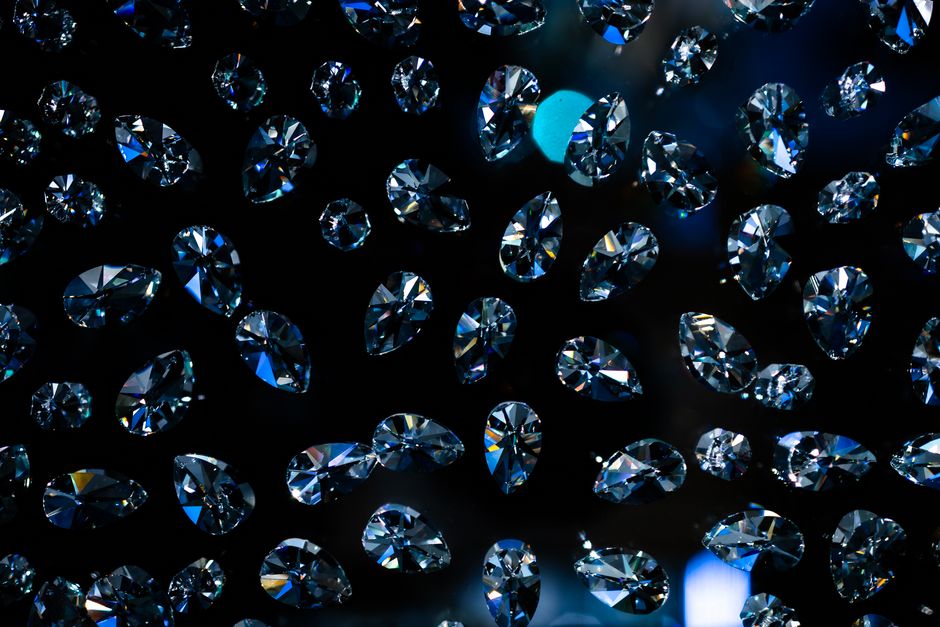
Shape influences how large a diamond looks to the eye. Elongated shapes like oval, pear, and marquise typically appear larger than rounds of the same carat weight. That’s a handy trade-off if you want maximum visual impact without escalating price by increasing carat.
When buying, consider:
- Does the retailer provide example images comparing shapes and sizes?
- Is the pricing you see reflective of shape-related market demand?
- Are there restrictions on returns if I change my mind about shape or style?
The Top Practical Questions to Ask About Returns Before Buying Jewellery
Now to the heart of the matter. When you’re at a retailer like Hatton Garden Jewellers or browsing online, here’s my essential checklist of practical return-related questions to ask:
- What is the exact return deadline? How many days do I have to make a return, and when does the clock start ticking? (Date of purchase, delivery, or receipt)
- Is there a separate custom ring return policy? Many stores treat bespoke or engraved rings differently, often making them non-returnable or subject to restocking fees.
- Do you offer refunds versus store credit for returns? Some retailers allow full refunds; others only store credit. Knowing this upfront helps you decide if you’re comfortable with their policy.
- Are returns accepted on lab-grown diamonds and branded appraisals? Since technology advancements blur lines (like the difference between natural and lab-grown stones), it’s vital to confirm return possibilities specifically for lab-grown pieces certified by labs such as the GIA or others.
- What condition must the item be in for return acceptance? Does the stone need to be unmounted? Must the jewellery be unworn? Can the original packaging and all paperwork (certificates, receipts) be included?
- How do you verify authenticity and grading reports during returns? Since you should always ask for the laboratory report number and verify it against official databases, understand how the retailer handles mismatches or doubts.
- Are there any restocking or refurbishment fees deducted from the refund? This is crucial information to avoid unwelcome surprises.
- What is your resizing or exchange policy? Sometimes geometry changes after resizing. Is resizing free, and does it affect returns?
Why Verifying Report Numbers Matters
Before talking prices or making a purchase, I always ask for the GIA laboratory report number (or the equivalent from a recognized lab). Using online laboratory databases you can confirm that the grading report is authentic and matches your diamond.
This protects you from vague wording like “certified” without naming the certifying lab, which is one of my biggest pet peeves. It’s like trying to play an MRQ mobile casino app without knowing the provider — risky and unclear.
Returns Policies From Real Retailers: A Quick Note on Hatton Garden Jewellers
Hatton Garden Jewellers, renowned across London’s jewellery district, set a strong example with transparent return policies. Typically, they offer a clear return deadline—usually 14 to 30 days—and specify different terms for custom rings.
Always review their returned items condition policy carefully, and check if returns are refunded or converted into store credit. Their consultants are usually upfront about providing GIA certificates and assisting you with the verification process — a model standard to emulate.
Summary Checklist for Returns Questions
Return Aspect Key Question Why It Matters Return Deadline How many days after purchase can I return? Limits the window to change your mind. Custom Rings What is the policy on custom or engraved rings? Often non-returnable or special conditions. Refund vs Store Credit Will I get money back or just store credit? Impacts future buying flexibility. Authentication How are GIA or other lab reports verified? Prevents fraud and misrepresented diamonds. Item Condition What condition must the jewellery be in? Avoids denied returns due to wear. Fees Are restocking or refurbishment fees charged? Helps avoid unexpected costs. Resizing Do resizing policies affect returns? May influence your decision to resize early.Final Thoughts: Ask Before You Buy
Purchasing jewellery should be a joyful milestone, not a source of confusion about returns, refunds, and authenticity. The Four Cs, especially the cut, along with shape and size, will influence what you want—but the retailer’s return policies safeguard your confidence.
So next time you visit a trusted retailer like Hatton Garden Jewellers, or even shop online, bring this blog post’s checklist with you. Verify the laboratory report number on sites like the GIA’s database. Ask clear, direct questions about your return deadline, custom policies, and whether you’ll receive a refund or store credit.
By doing so, you’ll buy well-informed, minimize risks, and truly sparkle with your new jewellery—no MRQ-like surprises included.