When Collectors Say a Watch Box is a Portfolio, What Do They Mean?
In the the world of horology, the language of collectors often borrows from finance and investment vernacular. Among these terms, one phrase frequently surfaces: a watch box is a portfolio. But what exactly do collectors mean when they equate their collection to a portfolio? Beyond mere poetic flair, this analogy encapsulates a sophisticated approach to collection stewardship and liquidity planning within the luxury watch market.
This post unpacks the depth behind this comparison, delving into how high-end timepieces from brands like Rolex operate as more than just aesthetic or sentimental acquisitions. From appraisal discrepancies to real-time market data and saturation effects, we explore how collectors manage their watch boxes as dynamic, valuable ensembles entwined with rotation strategies designed for capital preservation and growth.
Watch Collecting as Portfolio-Style Stewardship
Traditionally, a portfolio implies intentional diversity, risk management, and active stewardship of assets. When collectors say their watch box resembles a portfolio, it reveals an evolution from hobbies to an asset-management mindset. Each watch in their collection is seen as a piece of a broader investment schema, warranting more than casual care.

- Diversity of Brands and Models: Many seasoned collectors intentionally acquire a mix of brands (Rolex, Audemars Piguet, Patek Philippe) and models that behave differently in the secondary market to mitigate volatility.
- Condition and Configuration: Stewards monitor condition scrupulously—avoiding scratches, maintaining original parts, and ensuring the presence of original box and papers (“ full set” completeness) because these factors critically impact market value.
- Rotation Strategy: Knowing when to sell, hold, or trade watches aligns with portfolio rebalancing in finance — they optimize returns against market demand and saturation effects.
By applying these principles, the watch collector transforms a passion project into an actively managed portfolio.
Insurance Appraisal Versus Market Pricing: The Discrepancy Dilemma
One of the most frequent frustrations collectors face involves the divergence between insurance appraisals and actual market value. This mismatch often leads to confusion and misplaced expectations during sales or collateral evaluations.
Aspect Insurance Appraisal Market Pricing (Secondary Market) Purpose Replacement cost, often retail MSRP or more, to cover full loss Real-time value based on comparable sales and demand Pricing Basis Generally static, updated infrequently Dynamic, fluctuates with market saturation and condition Inclusion of Premiums May include import taxes, dealer markups Reflects what buyers are willing to pay net of feesLuxury consignors like Diamond Banc and luxury-watch data tools underscore this gap. Collectors frequently find their insurance value overstated relative to live secondary-market data, which relies on actual transaction prices rather than MSRP or replacement cost. A keen steward uses both figures: insurance for risk protection, market data for informed liquidity and rotation decisions.
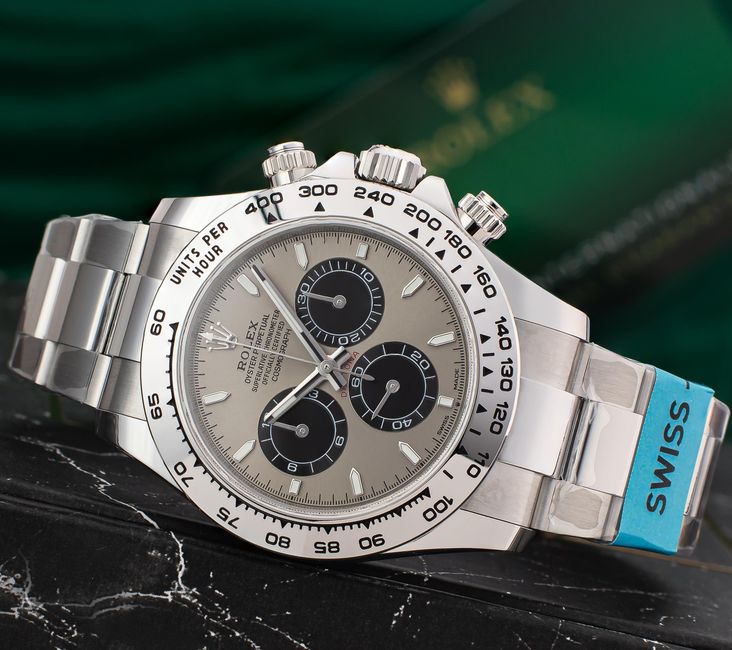
Leveraging Live Secondary-Market Data and Comparable Sales
In the digital age, the watch market has benefited enormously from real-time data platforms and reliable comparable sales repositories. Transparency and granularity empower collectors to make smarter choices — whether to hold, sell, or acquire.
- Near-Real-Time Demand Signals: Platforms track how certain reference numbers, like a Rolex Submariner 116610LN, respond to market flux. Sudden spikes in bidding or offer levels signal strategic selling windows.
- Comparable Sales Analysis: Instead of relying on vague or generalized price ranges, collectors analyze detailed sales data (condition, configuration, dealer vs. auction results) to set realistic price expectations.
- Authentication and Provenance Verification: Services offered by companies like RESIDENT™ provide confidence through verified authentication workflow before any transaction agreements, reducing risks of costly errors.
Incorporating these tools parallels portfolio management’s need for continuous https://resident.com/style-and-personal-care-resources/2026/09/01/the-art-of-the-edit-why-discerning-rolex-collectors-are-learning-to-sell-as-well-as-they-buy asset valuation and risk monitoring.
Condition, Configuration, and Saturation Effects on Value
Condition remains king in the secondary luxury watch market. A sharply maintained piece commands significant premiums:
- Condition Categories: Mint, excellent, good, fair, poor — each tier impacts price by thousands, sometimes tens of thousands of dollars.
- Configuration and Completeness: Watches with original box, papers, extra links, and original packaging (“ full set”) are far more liquid and valued than “head-only” sales.
- Market Saturation Effects: Timing relative to market floods matters. For instance, Rolex sports models may depreciate or soften after new releases or during waves of owner sales.
Watch collections as portfolios must, therefore, be actively watched for these saturation effects, with rotation strategies enacted to avoid value erosion.
Practical Tips for Managing Your Watch Box Like a Portfolio
You know what's funny? drawing from industry insiders and secondary market veterans, here are practical steps for collectors serious about portfolio-style stewardship:
- Maintain Meticulous Records: Track purchase prices, insurance appraisals, and latest comparable sales side-by-side.
- Insist on Full Sets: Prioritize acquisitions that come with boxes, papers, and accessories; if selling, note this upfront.
- Monitor Market Movements: Use platforms with live data feeds, or partner with valuation services provided by trusted companies like Diamond Banc and RESIDENT™.
- Regularly Rebalance: Develop a rotation strategy to trim overexposed pieces or capitalize on hot market demand segments.
- Don’t Confuse Appraisal with Sale Price: Never accept vague language like “worth around” when discussing pricing; insist on specific, comparable sales data.
- Authenticate Before Listing: Avoid paying for costly authentication processes without first securing offers or valuation opinions.
Conclusion: Beyond Timekeeping — Stewardship of a Living Portfolio
In summary, the phrase “a watch box is a portfolio” captures a mindset shift in collecting luxury watches as stewarded assets rather than mere collectibles. Embracing this philosophy involves meticulous condition care, full-set completeness, and adjusting for market saturation and demand signals gleaned from live secondary-market data and comparable sales.
By deploying liquidity planning and a rotation strategy, collectors maximize the long-term value and enjoyment of their boxes — truly treating their watch collections as living portfolios. Whether handling a singular Rolex icon or a broad ensemble of high-quality brands, the watch box portfolio approach aligns passion with prudence and insight.